










Real vs. Fake: How to Spot a Counterfeit Blind Box Figure
To spot a fake blind box figure instantly, inspect the packaging for holographic security seals and crisp text; check the figure for a strong chemical smell, flawless matte finish, and a deep copyright stamp on the foot; and verify the ID card for correct paper texture and color saturation. Most importantly, always buy from trusted retailers to avoid the risk entirely.
So, how do you distinguish a high-quality bootleg from the real deal? In this comprehensive guide, we will go beyond the basics and walk you through the 5 critical phases of authentication, so you never get scammed again.
Pre-Purchase Red Flags
1. Unbelievable prices of blind boxes
If an "exclusive" blind box product priced at $80 is being sold for $15, it's definitely a scam. Counterfeiters prey on bargain hunters. Be especially wary of advertisements offering "complete sets" of products at prices far below retail.
2. Check the Seller's Reputation
-
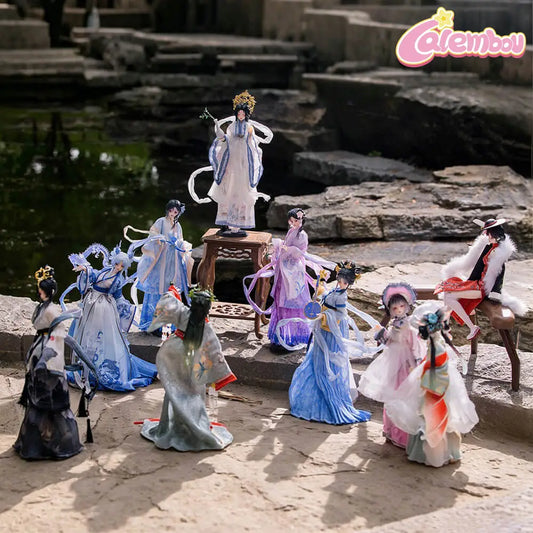
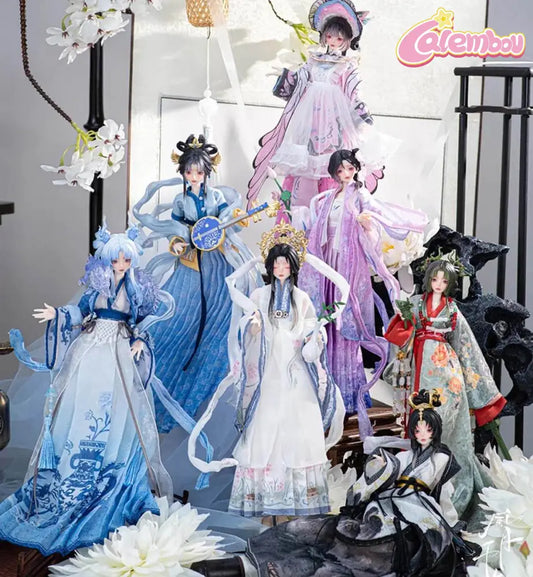
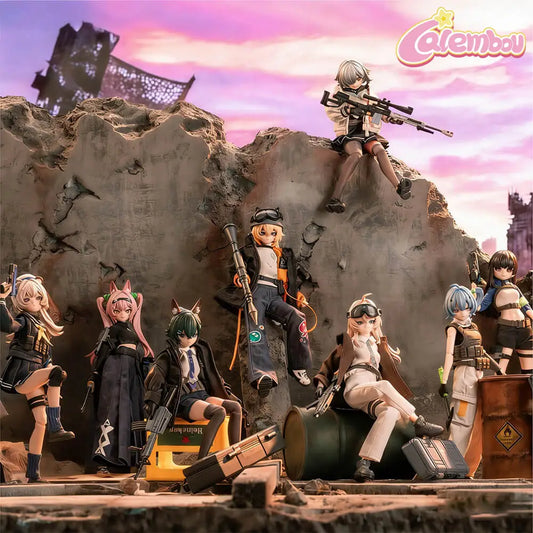
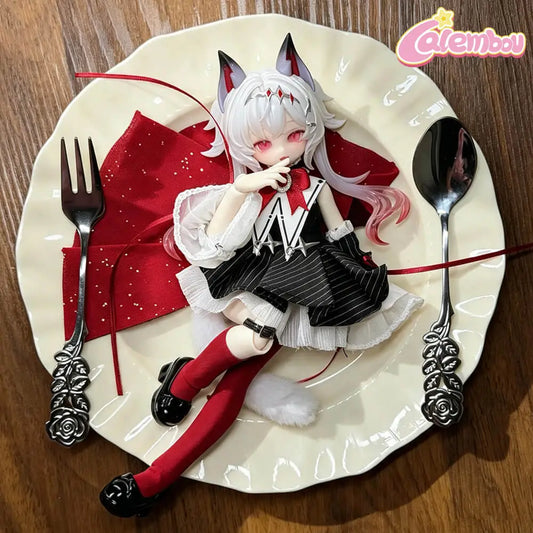
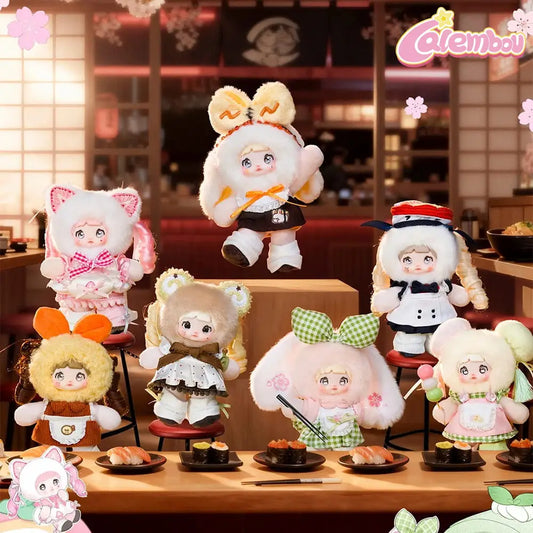
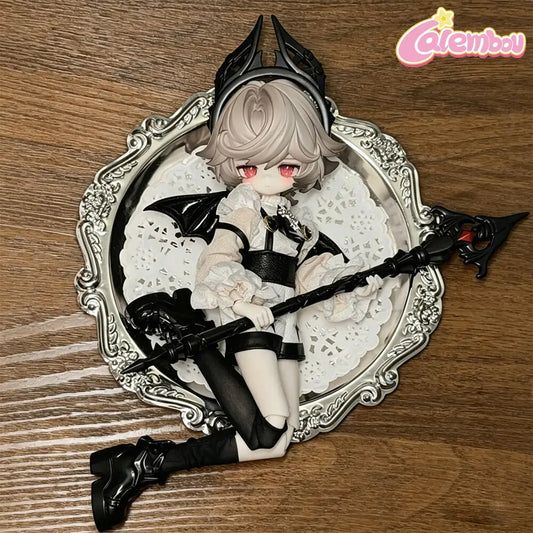
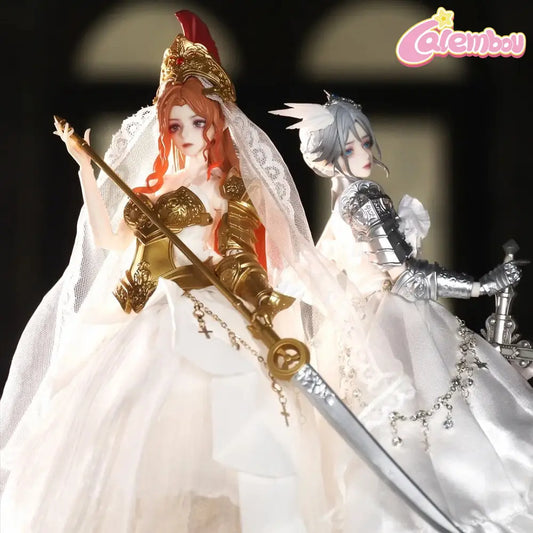
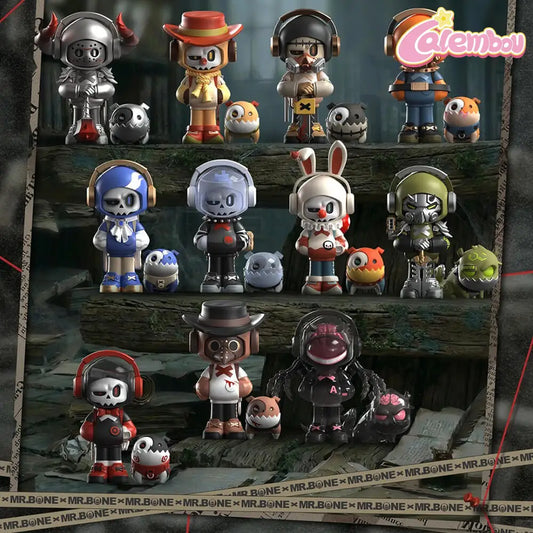
Authorized Retailers: Always prioritize official flagship stores or authorized partners. They have direct supply chains from the brands. For example, Calembou is an authorized retailer for many blind box series, offering a wide variety of blind boxes and figurines.
-
Third-Party Platforms: If buying on eBay, AliExpress, or TikTok Shop, check the reviews carefully. Look for user-uploaded photos. If the seller uses only "stock images" (official promotional photos) and has zero real product shots, please choose carefully.

Inspect the Packaging
The packaging contains a wealth of information and points to distinguish between genuine and counterfeit products.
1. Holographic Security Stickers
Most major brands (like Pop Mart, 52Toys, Hi TOY) take anti-counterfeiting seriously. Look for a shiny, holographic sticker on the box.
-
Real: The sticker reflects light, changes colors, and often has a scratch-off code you can verify online.
-
Fake: This "sticker" is simply a flat image. It's printed and pasted directly onto the cardboard box. Its surface is smooth, either non-reflective or excessively reflective.
2. Print Quality & Typos
Counterfeit packaging is often scanned from the original, leading to a loss of quality.
-
Blurry Text: Small text on the back (warnings, ingredients) will look fuzzy or pixelated on fakes.
-
Spelling Errors: Read the English text carefully. Fakes often have typos like "Waning" instead of "Warning" or nonsense sentences in the product description.

The "Smell & Touch" Test (Sensory Check)
1. The Smell Test
Fake blind boxes usually have a pungent odor.
-
Real: Genuine Plush Blind Box use high-quality, non-toxic PVC/ABS. They usually smell neutral or have a very faint "new plastic" scent.
-
Fake: Bootlegs use cheap, unregulated materials. They often have a strong, pungent chemical odor, smelling like gasoline, burnt plastic, or spray paint. If it gives you a headache, it's fake.
2. Skin Texture: Matte vs. Shiny
Many premium blind boxes (especially those featuring characters like Dimo or Nanci) use a special matte coating or plush material that feels soft and silky to the touch.
-
Fake: Bootleggers often skip this expensive coating. Fakes tend to look oily, shiny, or plasticky. Under a light, a fake face will reflect a harsh glare, whereas a real one absorbs the light softly.
The Figure Details
Observing the details of blind box figurines is the most fundamental and useful method.
1. Mold Lines (Seams)
-
Real: Brands invest heavily in molds to hide the seams where plastic parts connect. They are usually polished smooth or hidden under clothes/hair. This situation is more common in BJD.
-
Fake: You will often see prominent sutures on the sides of your head, arms, or legs.
2. Paint Application
Check the face and small accessories.
-
Real: Sharp, crisp lines. The eye decals are perfectly centered.
-
Fake: Paint "bleeds" (lines that are too thick or too thin), skin tones that don't match, or facial features that are misaligned.
3. The Copyright Stamp (Foot Check)
Some dolls have copyright stamps on their body parts. Turn the doll over and look at its feet or buttocks.
-
Real: You will see a deep, clear, embossed copyright mark (e.g., ©POP MART / ©2024). It is easy to read.
-
Fake: The stamp is often shallow, blurry, illegible, or completely missing.

The Identity Card
Inside, there's usually a beautifully crafted blind box card. Not only can you creatively use the card itself, but you can also use it to distinguish between real and fake products. Don't throw it away!
-
Paper Quality: Genuine cards are printed on thick cardstock, often with matte or special textures. Fakes feel like thin, glossy flyer paper.
-
Color Saturation: Fake cards often look "fried"—the colors are too dark, too bright, or high-contrast. Genuine cards usually have soft, accurate pastel tones.
Summary: The Quick Cheat Sheet
If you need a quick reference, here is the breakdown of the key differences:
|
Feature |
Genuine (Real) |
Counterfeit (Fake) |
|
Smell |
Neutral, faint "new toy" smell |
Strong, pungent chemical/gasoline odor |
|
Finish |
Smooth, often matte (soft touch) |
Oily, shiny, or waxy plastic |
|
Sticker |
Holographic security sticker |
Printed image of a sticker or missing |
|
Seams |
Hidden or polished smooth |
Visible, rough ridges on sides |
|
Feet Logo |
Deep, clear copyright emboss |
Shallow, blurry, or missing |
What to Do If You Bought a Fake?
Realizing you’ve been scammed is frustrating, but take action immediately:
-
File a Dispute: Open a case on the platform (eBay, AliExpress, PayPal) for "Item not as described" or "Counterfeit." Never accept a partial refund.
-
Document Everything: Please take clear photos of the unboxing video and any defects (missing stickers, poor paint quality, no markings) along with the shipping label as evidence.
-
Don't Resell It: Never pass a fake to another collector. If the material smells toxic, bin it. If it's safe, use it for repainting practice, but never sell it as real.
Frequently Asked Questions (FAQs)
1: Can I scan the barcode to verify authenticity?
A: Not always. Scammers can easily copy and print a real barcode onto a fake box. The holographic security sticker with a unique scratch-off code is a much more reliable method than a standard barcode.
2: My figure has a loose arm. Is it fake?
A: Not necessarily. Even genuine figures can have minor "Quality Control" (QC) issues. A loose joint or a tiny paint dot doesn't automatically mean it's fake. Check the smell, the logo on the foot, and the card to be sure.
3: Is it safer to buy "opened" (confirmed) figures to avoid fakes?
A: No. Unhonest sellers can do a "bait and switch," putting a fake figure inside a real open box. Always inspect the actual figure and card, not just the packaging.
4: The verification QR code took me to an unknown website. Is it safe?
A: Probably not. Real codes should always link directly to the brand's official, secure website domain. Scammers create fake verification sites to trick you.
Conclusion
Buying a fake might save you a few dollars, but it hurts the industry. Counterfeit figures not only have zero resale value, but they are also often made with unsafe materials.
To ensure your collection retains its value and safety, always buy from trusted sources. If you are ever in doubt, join community groups (like on Reddit or Discord) and post a "Legit Check"—experienced collectors are usually happy to help! Happy collecting, and may all your unboxings be genuine!