









Should Beginners Buy Blind Boxes or Confirmed Ones?
If you're new to blind boxes, the first question usually isn't which character to get — it's whether to gamble at all. Blind boxes hide what's inside. Confirmed figures show you exactly what you're buying. Both exist for good reasons, and neither is universally better. What matters is which one fits where you are right now.
What Is the Difference Between a Blind Box and a Confirmed Figure?
A blind box is a sealed package. You know the series and the possible characters, but you don't know which one you'll get until you open it. The uncertainty is the point — it's what makes the unboxing feel like a small event rather than just receiving a package.
A confirmed figure is exactly what it sounds like. You pick a specific character, pay for it, and that's what arrives—no surprises, no duplicates, no wondering.
Both come from the same world of designer toys and collectibles. The difference is entirely about how much control you want over the outcome.

Why Do Collectors Choose Blind Boxes Over Confirmed Figures?
The short answer: the not-knowing is the fun.
There's a reason blind box unboxing videos rack up millions of views. The ritual of peeling back the packaging, the moment before the reveal — it triggers a kind of low-stakes excitement that a straightforward purchase simply doesn't replicate. Collectors talk about this as part of the hobby itself, not just a side effect.
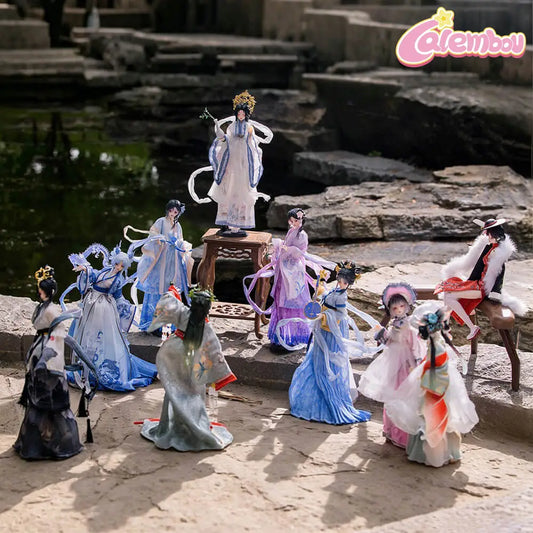
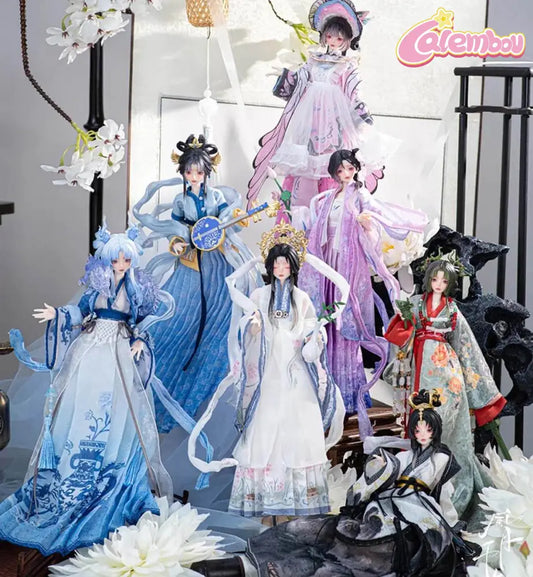
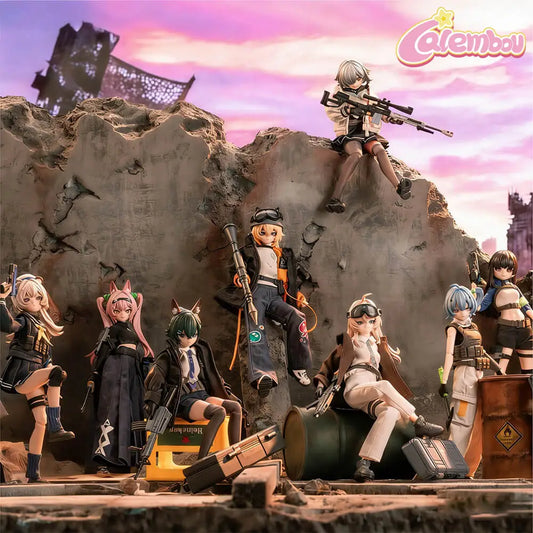
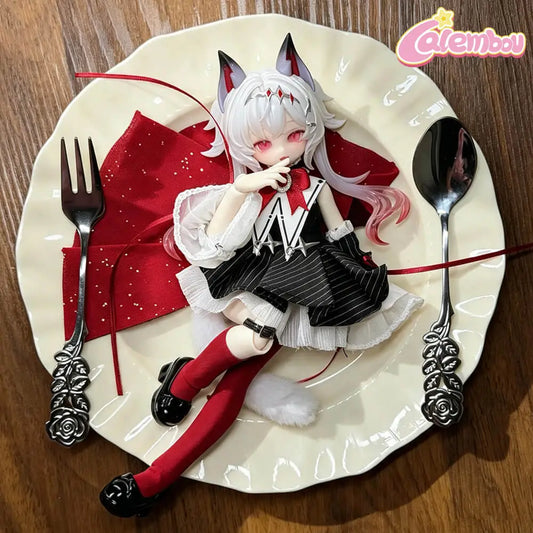
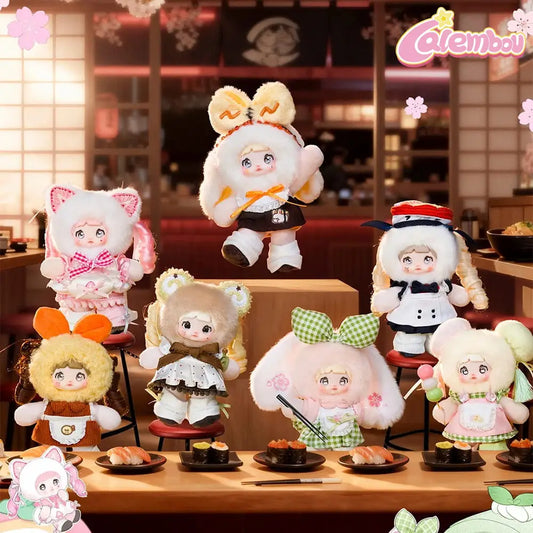
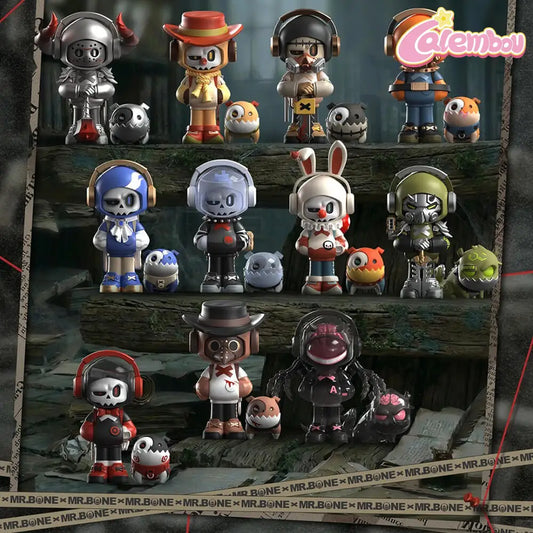
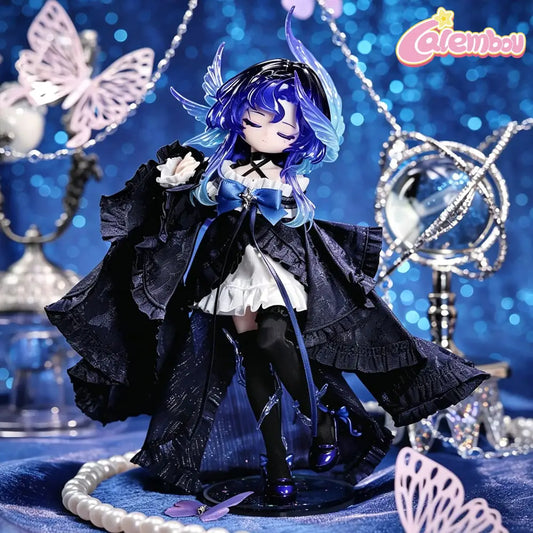
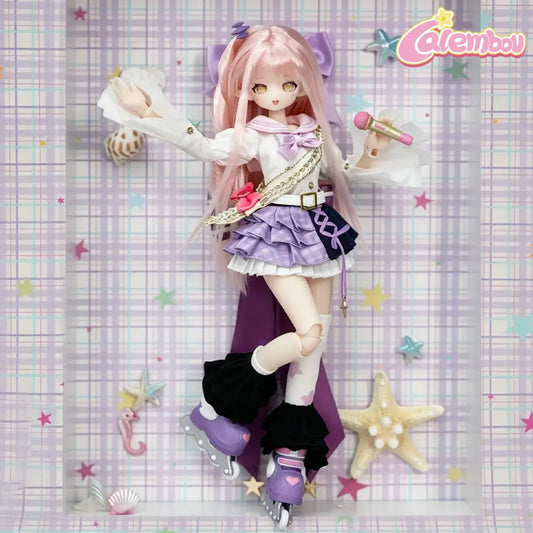
Blind boxes also make it easy to explore a new series without locking in on a single character upfront. Whether you're just starting or expanding your shelf, browsing Calembou's collection gives you a sense of what a series offers before you commit more seriously.
There's also the social dimension. Swapping duplicate figures with other collectors, sharing unboxing moments with friends, or hunting for that rare secret figure — these are tactile, shared experiences you simply don't get when you buy a confirmed design.
When Does a Confirmed Figure Make More Sense?
If you have a specific character in mind, then gambling on a blind box is a frustrating way to get there. You might go through three or four boxes before pulling the one you want, spending significantly more than a confirmed single would have cost.
Gift-giving is another case where confirmed wins. When you're buying for someone else, especially someone who already collects and has preferences, the randomness of a blind box introduces real risk. A confirmed figure of their favorite character is a much safer expression of thoughtfulness.
The same logic applies if you're building a display. If you need a specific piece to complete a shelf arrangement or a themed collection, blind boxes introduce chaos into what should be a controlled curation process.

Where Should a Beginner Start?
For most beginners, a blind box is the better first experience — with one condition: you should be buying into a series you genuinely like, not just any box that's available.
Here's why blind boxes work well as a starting point. They're lower commitment per purchase. They give you the full experience of what the hobby actually is. And if you pull a character you don't connect with, you haven't spent much, and you've learned something about your own taste.
The mistake most beginners make isn't buying blind boxes — it's buying into a series randomly without knowing whether the design language resonates with them. Spend a few minutes looking at the full character roster of a series before you buy. If most of the figures appeal to you, the odds are in your favor emotionally, even if they're not in your favor statistically.
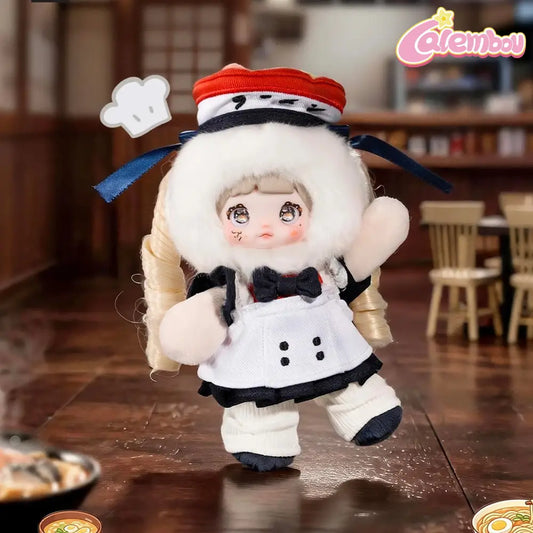
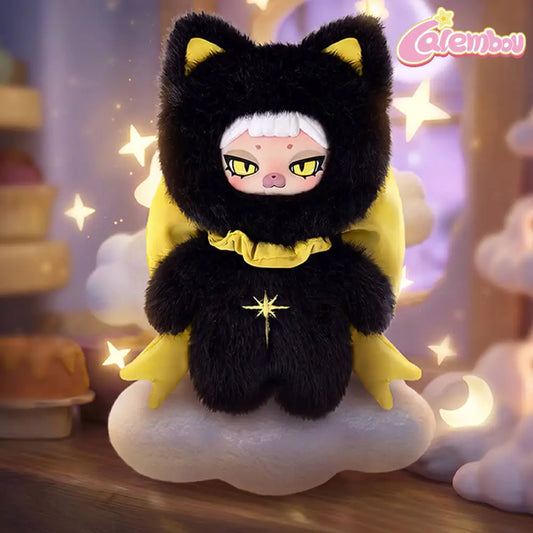
Plush Blind Box options are particularly good for beginners because the soft format is forgiving — plush figures are harder to be disappointed by than rigid vinyl, and they tend to feel like a win regardless of which character you pull.

Which Blind Box Series Are Most Suitable for Beginners?
A series with strong visual consistency across all figures is more beginner-friendly because you're unlikely to pull something that feels out of place with the rest. Smaller series (6–8 figures) also reduce the risk of duplicates if you want to collect the full set.
Kimmon blind box series, for example, tend to have a coherent visual identity across each drop, which means even a "common" pull feels like it belongs to something intentional. That consistency matters when you're still developing your taste as a collector.
For those drawn to darker, more atmospheric aesthetics, MayMei Dark Forest offers a distinct visual world where every figure contributes to a larger mood — another series where any pull tends to feel like a good one.
If you want a broader look at what's available before committing to a specific series, the blind box selection guide on the Calembou blog breaks down how to evaluate series before you buy, which is worth reading before your first purchase.
FAQ
Can I return a blind box if I don't like what I get?
Most retailers don't accept returns on opened blind boxes since the randomness is part of the product. Check the return policy before buying, especially from third-party sellers.
What if I get a duplicate?
Duplicates are common in blind box collecting. Most collectors trade them within collector communities, sell them on resale platforms, or gift them. It's part of the culture.
Are confirmed figures more expensive?
Usually yes. You pay a premium for certainty. The price difference varies by series and seller, but confirmed singles — especially for rare or secret rare figures — can cost two to five times the blind box price.
How do I know if a blind box series is right for me?
Look at the full series lineup before buying. If you'd be happy pulling any of the common figures, the series is probably a good fit.
Conclusion
Blind boxes are the right starting point for most beginners — they're affordable, they give you the authentic collecting experience, and they're genuinely fun to open. Confirmed figures make sense when you know exactly what you want, when you're buying a gift, or when you're completing a specific collection.
The real answer isn't one or the other. It's knowing when each serves you better. Start with a series that matches your aesthetic, buy blind if you like most of the lineup, and go confirmed when a specific character matters more than the experience of discovery.