










Diving Into Blind Box Culture: From Origins To Community
Blind box culture grew from Japan’s early love for mystery purchases—starting with fukubukuro lucky bags and later gashapon machines—and was transformed into a global trend as modern brands like Pop Mart introduced designer IPs, storytelling, and collectible series. The excitement of surprise, the emotional value of characters, and active online communities continue to drive its popularity today. With this background in mind, we can now explore how blind boxes evolved, why they resonate so strongly with collectors, and how this culture developed into the vibrant community we see today.
1. Where Blind Boxes Came From: The Roots Of “Mystery.”
Blind boxes didn’t begin as a marketing trick. Long before anyone talked about “art toys” or “IP,” there was already a cultural love for sealed surprises. In Japan, fukubukuro—New Year “lucky bags”—invited people to buy a bag whose contents were unknown but promised good fortune and value. The point wasn’t just the items inside; it was the ritual of not knowing and choosing to trust the surprise.
Later, capsule toy machines (gashapon) made this kind of excitement an everyday experience. With a single coin, you could spin the handle and get a random miniature toy, charm, or mascot. The result might be common or rare, cute or bizarre, but the emotional loop was always the same: a small risk, a small thrill, a small joy.
These traditions created the cultural soil in which blind boxes would later grow. They normalized the idea that uncertainty can be fun, that tiny objects can carry emotion and meaning.

2. How Blind Boxes Became A Worldwide Trend
For decades, surprise toys existed at the edge of pop culture. The real turning point came when the “mystery” format collided with designer toys, character IP, and youth culture.
In the 2000s and early 2010s, designer toys and character figures were already growing—especially in Japan, Hong Kong, and parts of the West. But it was in China, around the mid-2010s, that blind boxes were reimagined into something much bigger. Brands began combining:
-
Strong, recognizable characters with distinct personalities
-
Story-driven series (travel, seasons, myths, city life)
-
Premium packaging and in-store displays
-
The randomness of the blind box format
During this period, companies like Pop Mart and TOP TOY played major roles in shaping the modern blind box boom. In China, Pop Mart built a complete cultural ecosystem around blind boxes—combining designer IPs, immersive retail spaces, premium packaging, and eye-catching themes. Meanwhile, TOP TOY developed unique product lines such as Nommi, giving each character a detailed backstory and a clear emotional identity.
Social media accelerated this shift. Every draw could be filmed, posted, and shared, especially when a rare blind box was drawn. Blind boxes were no longer just blind boxes; they became a story, a post in themselves. In just a few years, blind boxes evolved from a niche fan base into a symbol of mainstream culture.
3. The Main Types Of Blind Boxes Today
As blind box culture spread, it did not stick to one form but evolved into several main types, each with its own unique characteristics.
Art Toy Blind Boxes
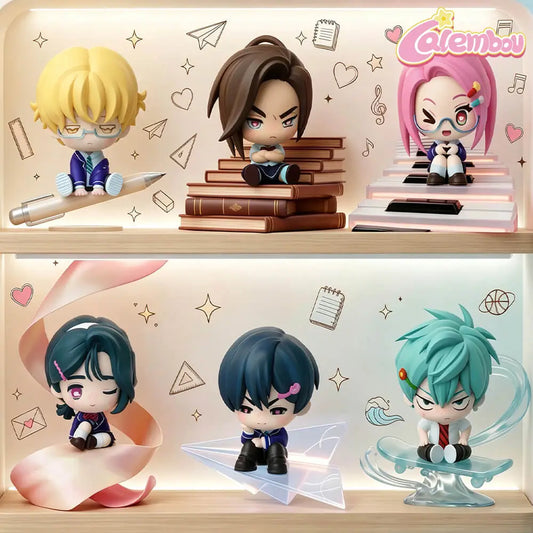
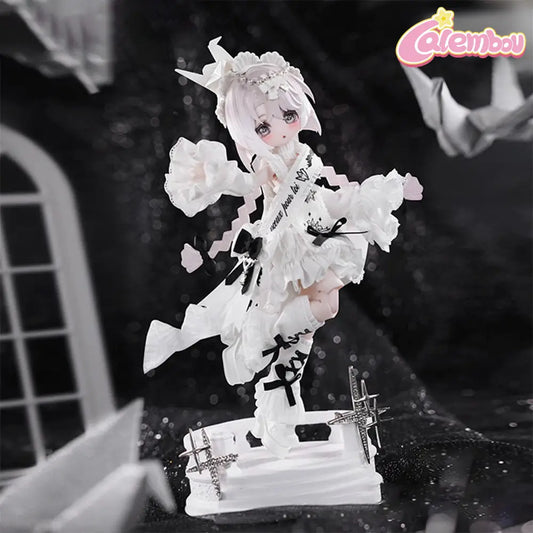
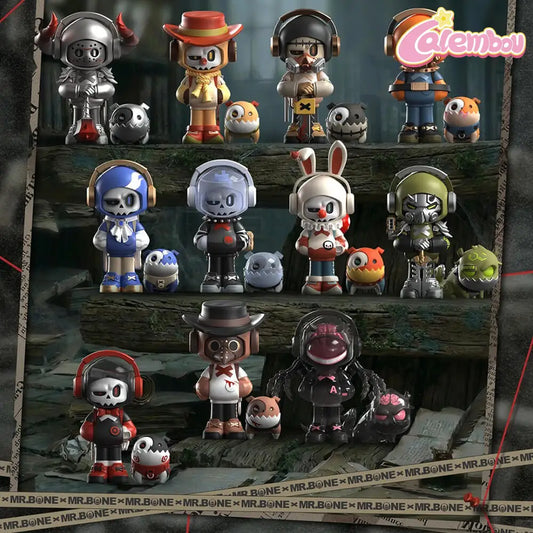
These are the classic vinyl or PVC figures—stylized characters with distinctive faces, clothing, and poses. They often come in sets of 6–12 designs with one or two “secret” variants. Art toy blind boxes are closest to the designer toy world: strongly visual, highly collectible, and often displayed on shelves like miniature sculptures.
Plush Blind Box
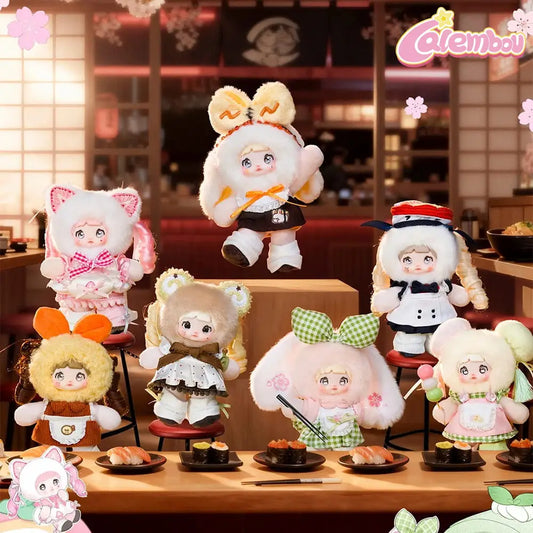
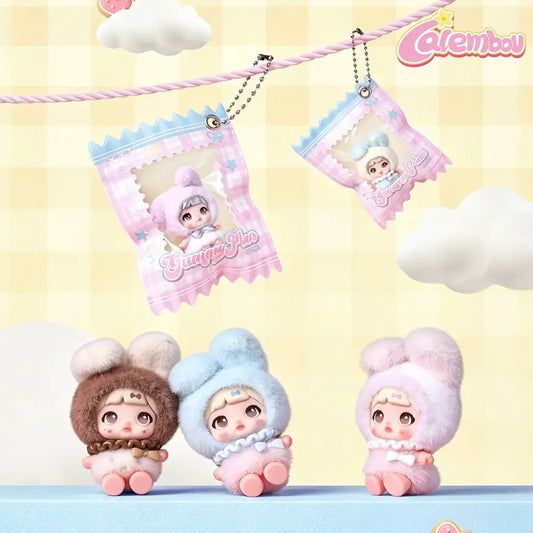
Plush Blind Box takes the same mystery format and softens it—literally. Instead of hard figures, you get tiny plushies or keychain-sized characters. The appeal here is emotional comfort: soft textures, round silhouettes, sleepy faces, and soothing colors. These blind boxes are less about sharp edges and more about warmth; they feel like portable pieces of comfort you can attach to a bag, place on a pillow, or keep on a work desk.
BJD Blind Box
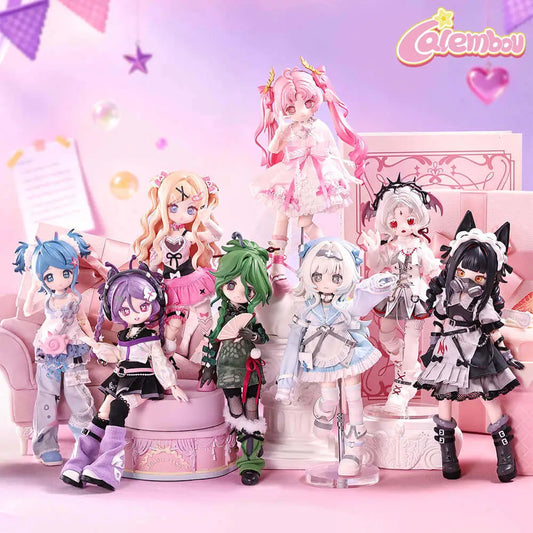
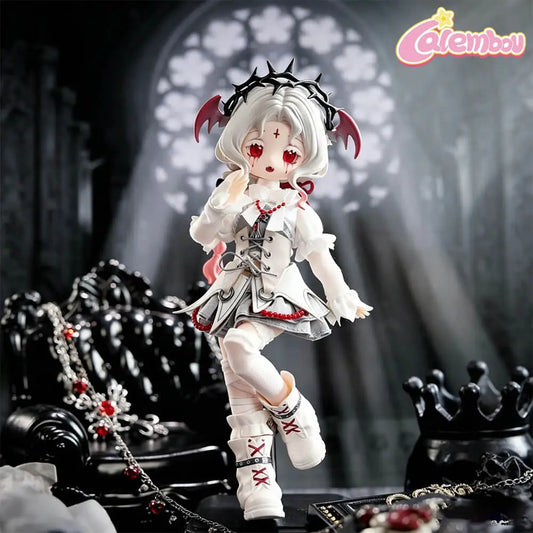
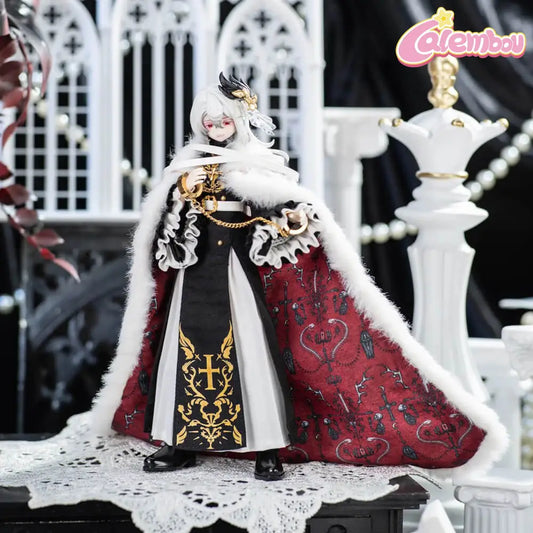
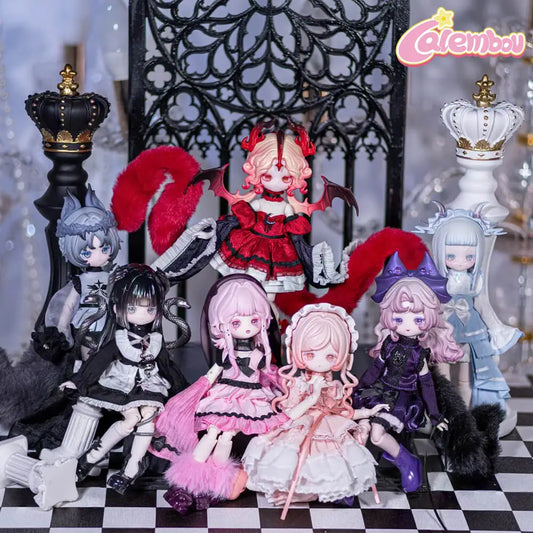
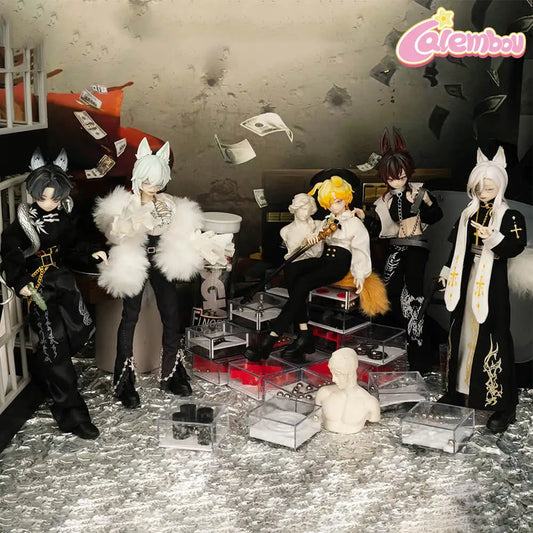
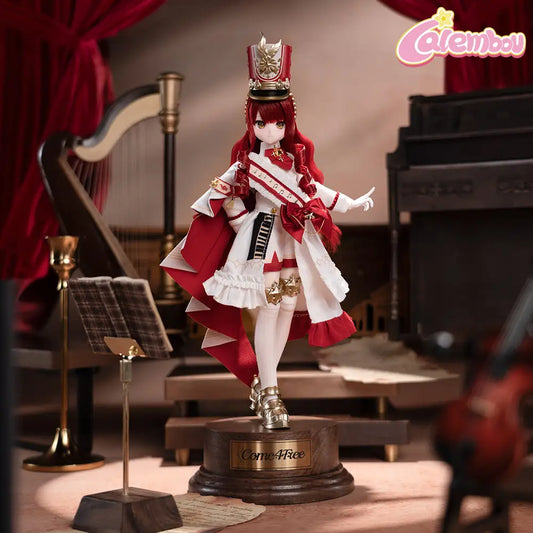
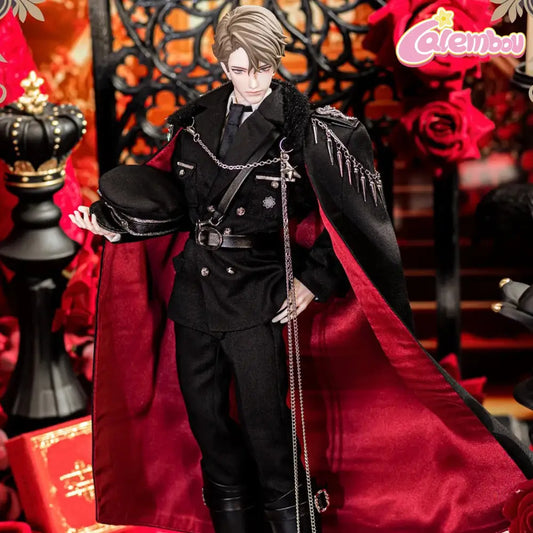
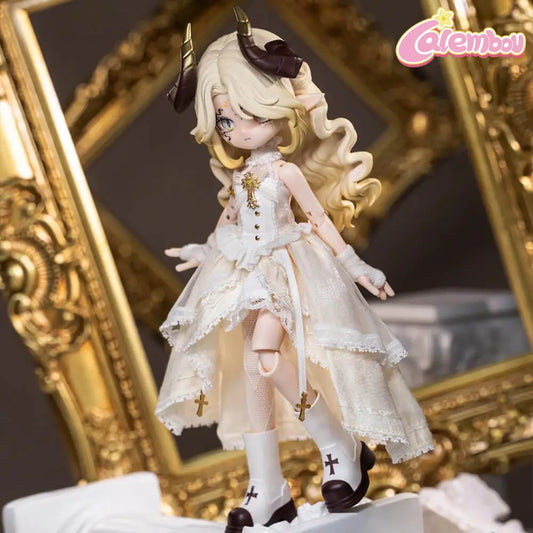
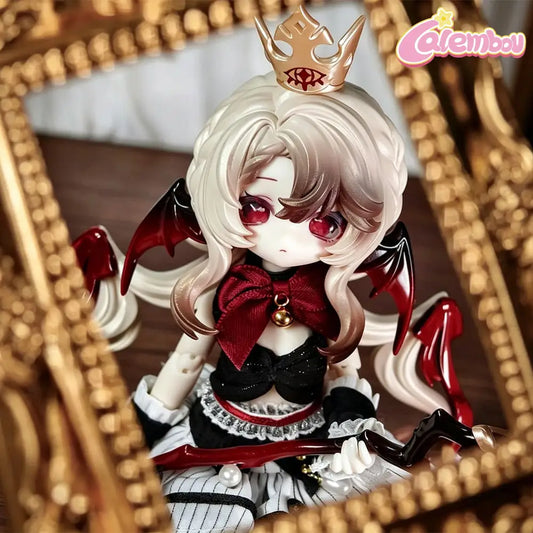
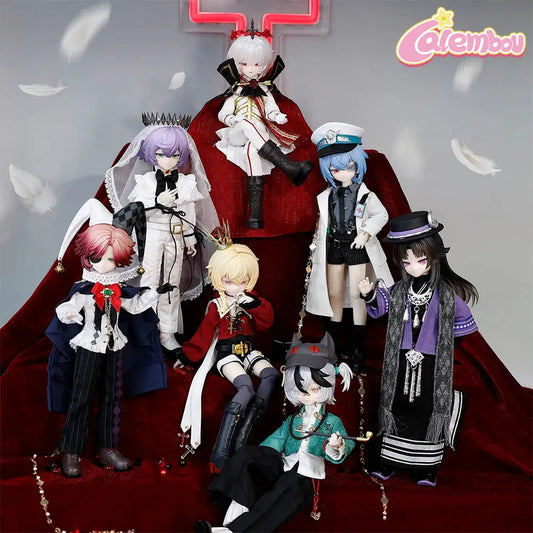
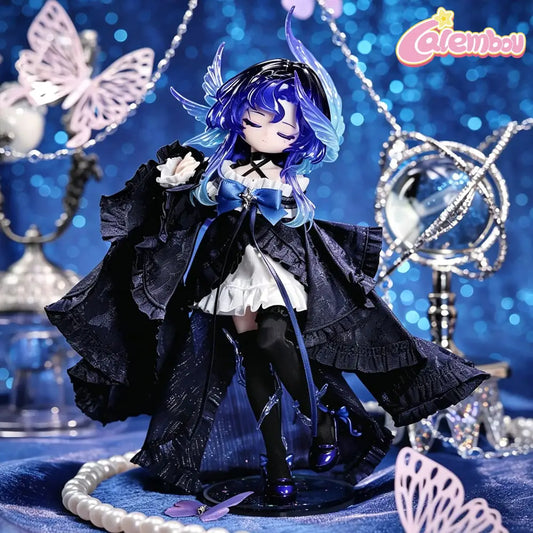
BJD blind boxes merge the blind box concept with the world of ball-jointed dolls. These minis usually have poseable joints, changeable outfits, and expressive faces. They inherit the customization culture of BJD—posing, dressing, photographing—while keeping the surprise element of not knowing which character you’ll get. In cultural terms, they sit at the intersection of doll art, character design, and storytelling.
IP Collaboration Blind Boxes
IP blind boxes reinterpret common characters from animation, games, movies, and global popular culture—such as the Alien Stage series, My Little Pony series, The Powerpuff Girls series, and Tom and Jerry series, and so on. Each series includes costumes matching the characters or themed variations based on popular characters. Their appeal lies in two aspects: collectors can build an emotional connection with the IP itself, while the blind box format adds rarity, excitement, and replay value.
4. Why People Love Blind Boxes So Much
If blind boxes were only about “random buying,” the trend wouldn’t have lasted. What keeps people engaged is the layered emotional experience behind each tiny box.
Anticipation And The Joy Of Not Knowing
Opening a blind box recreates a feeling many people associate with childhood: the suspense before tearing into a gift, the rush of discovering what’s inside. It’s a small, controlled form of uncertainty. Unlike real life, where unpredictability can be stressful, this kind of unpredictability is safe and rewarding—you know you’ll get something, and that something is designed to be delightful.
Nostalgia, Comfort, And Everyday Companions
Many blind box designs tap into softness, innocence, or humor. Plush Blind Box character sitting beside your laptop can feel like a tiny emotional anchor—a quiet reminder that there is still room for play in a serious adult day. For some, mini BJDs serve a similar role: expressive little figures that can be posed to match a mood, placed into scenes, or photographed like small friends.
5. From Hobby To Community: The Social Side Of Blind Box Culture
Unboxing videos have evolved into a unique genre. These videos capture the suspense, reactions, and the joy or slightly ironic frustration of discovering a duplicate. Widely shared online, these videos resonate instantly with other fans. Even without words, the gasp of discovering a hidden blind box or the frustration of finding yet another duplicate creates a sense of belonging.
Offline, collectors have transformed their bookshelves into miniature galleries. Some arrange items by color, some by theme, and some by emotional atmosphere. Miniature ball-jointed figures are displayed in miniature scenes and photographed like puppeteers on stage. Plush blind box figures are kept in bags, cars, and suitcases, silently accompanying their owners.
Trading further strengthens community interaction. Duplicate items are not wasted; you can bring them to parties, blind box apps, or chat groups. Through trading, people learn about each other's preferences and negotiate fairly. What began as simply "buying toys" has gradually evolved into a community full of resonance, buying, selling, and sharing.
Conclusion
Blind boxes have changed a lot since their early roots in lucky bags and capsule toys. Today, they’ve become a global trend—thanks to unique character designs, fun unboxing moments, and different formats like art toys, Plush Blind Boxes, BJDs, and IP series. People enjoy blind boxes because they bring a bit of excitement, a sense of collecting something meaningful, and a small break from daily routine. Over time, this simple hobby has grown into a community where fans share collections, trade duplicates, and connect with others who love the same characters.
In short, blind boxes are popular not just for what’s inside the box, but for the joy and connection the whole experience brings.